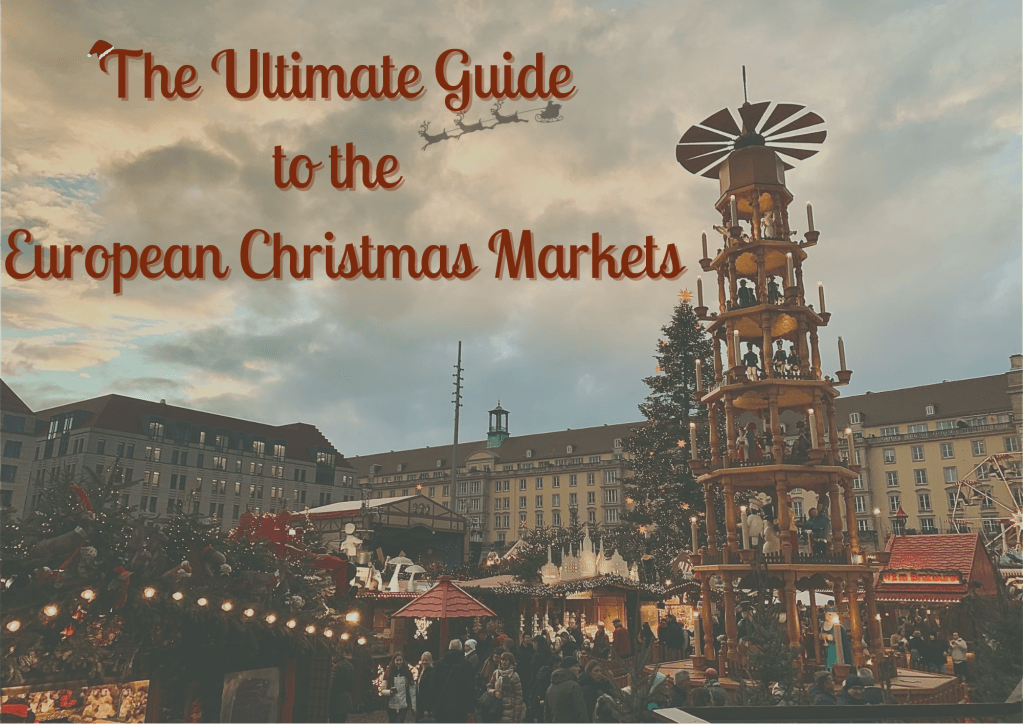
Are you dreaming of twinkling lights, the scent of mulled wine, and cozy festive cheer? Visiting Europe’s Christmas markets is truly a magical experience, but planning the perfect trip for the first time can feel overwhelming especially if you’re pairing it with your first ever Europe trip. With so many markets, cities, events, and details to consider—what to pack, how to budget, and even how to navigate the mug-collecting trend—it’s easy to feel unsure of where to begin.
That’s why we’ve created this comprehensive guide to European Christmas markets. Having traveled through over 70 of some of the most enchanting markets ourselves, we know exactly what it’s like to sift through endless information while trying to create the perfect itinerary. We have written this guide to hopefully answer all your burning questions, from deciding between cash or card to figuring out what to pack for the cold winter weather.
We’ll also share insider tips, hidden gems like Krampus runs and ticketed markets. By the end, you’ll feel confident and ready to plan a stress-free trip that’s as magical as the markets themselves. Whether you’re a seasoned traveler or embarking on your first Christmas market adventure, this guide has everything you need. So grab a cup of glühwein (or your favorite hot drink), and let’s start planning!
Table Of Contents
- Choosing the Best Destinations for Your European Christmas Market Trip
- Hidden Gems and Unique Events to Add to Your Trip
- Planning Your Route: Optimising Time and Travel
- Booking Accommodation for Your Christmas Market Trip
- Should You Consider a Christmas Market Cruise or Tour Group?
- What to Pack for a Christmas Markets Trip: Travel Light, Stay Warm, and Be Practical
- Managing Expectations: What to Expect at European Christmas Markets
- FAQs for Christmas Market Trips
Choosing the Best Destinations for Your European Christmas Market Trip
Planning a trip to the European Christmas markets can feel overwhelming with so many magical destinations to choose from, each offering its own unique charm and atmosphere. To create a memorable and stress-free itinerary, it’s important to start by asking yourself what you want out of the trip. Are you focused on:
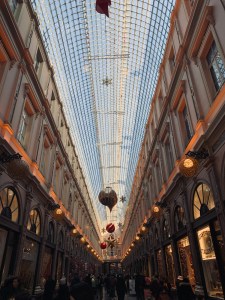
– Seeing as many markets as possible?
– Eating the best food and drink?
– Exploring fairytale towns with a Christmassy atmosphere?
– Shopping for unique, handmade goods?
– Immersing yourself in the festive spirit and culture?
– Experience something a bit more unique or traditional?
While it’s tempting to Google “best European Christmas markets” and pick from the top results, a better strategy is to search Facebook travel groups or look up countries individually to see what they have to offer. Another option is to look at different tours or cruises and using their itineraries as a base for your research.
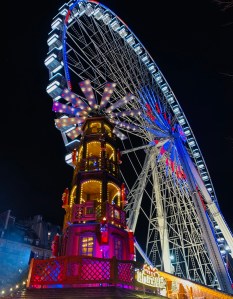
This extra research ensures you’re choosing markets that match your personal preferences and expectations and not someone else’s.
By taking the time to reflect on what you want out of your trip and researching destinations that align with your interests, you’ll not only enjoy the markets in a unique way to you, but also create unforgettable memories exploring Europe in its most magical season.
Once you’ve identified your priorities, you can start narrowing down destinations that match your travel style. One thing that helped us was a detailed google map that a lovely person had created and shared on a Christmas Market Facebook page. You too can find this map here, and hopefully it is helpful to you as well.
Additionally, we have written some helpful descriptions to help you choose the best locations for your trip, along with some practical tips and insights from our own experience visiting these enchanting markets.
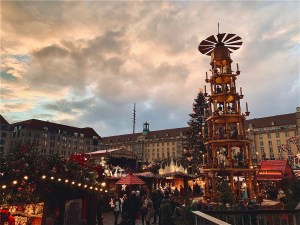
Germany and Austria: The Birthplace of Christmas Markets
If authenticity and tradition are what you’re after, look no further than Germany and Austria. These countries are home to the most original markets, showcasing handcrafted ornaments, wooden toys, themed markets and traditional foods like bratwurst, stollen, and lebkuchen. You really cannot go wrong with anywhere in Germany and Austria, but these are definitely some of our favourites:
Dresden, Germany: The Striezelmarkt in Dresden is perfect for shoppers seeking authentic, high-quality goods. It’s one of the oldest markets in Europe, dating back to 1434, and has a strong focus on preserving Christmas traditions.
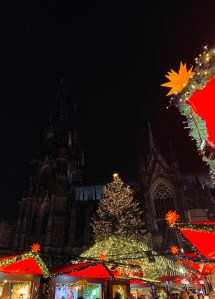
Cologne, Germany: Cologne stands out for its uniquely designed markets, each with its own theme. The Cathedral market is breathtaking, while the Harbor market by the Rhine offers something different with a nautical flair. Cologne reigns one of our top recommendations for Christmas markets!
Freiburg, Germany: Located in the heart of the Black Forest, Freiburg’s markets are a cozy retreat filled with regional charm. Wander through stalls offering traditional wooden hand carvings, and bask in the warmth of fairy lights reflecting off the town’s historic buildings.
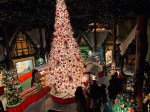
Rothenburg ob der Tauber, Germany: A medieval walled town that looks like it’s been plucked straight out of a Christmas storybook. Although the markets here are minimal, there are numerous Christmas shops including the biggest in the world with the Kathë Wolfhart flagship store and Christmas Museum!
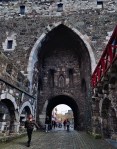
Aachen, Germany: Aachen’s Christmas market is famed for its stunning medieval setting near the cathedral and town hall. Indulge in local specialties like Aachener Printen (spiced gingerbread) while browsing stalls filled with handmade gifts and festive décor.
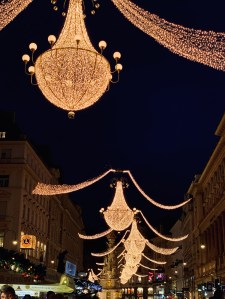
Vienna, Austria: Vienna’s markets blend imperial grandeur with festive charm. While shopping is delightful, the real joy is soaking in the stunning Christmassy atmosphere surrounded by the city’s historic landmarks. Vienna also has one of the best ice skating rinks.
Salzburg, Austria: Enjoy a harmonious blend of alpine charm and rich cultural traditions. From the enchanting market in Cathedral Square to the festive stalls in Mirabell Palace, you’ll find handcrafted ornaments, warming drinks, and the timeless sound of carolers filling the crisp air.
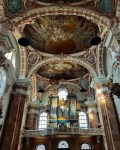
Innsbruck, Austria: Surrounded by snow-capped peaks and with fairytale themed sights, Innsbruck offers some incredibly picturesque Christmas markets. Explore the medieval Old Town, where golden rooftops gleam against twinkling lights, while enjoying live music and humorous street performances.
France: Alsace – The Capital of Christmas
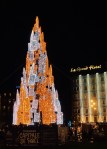
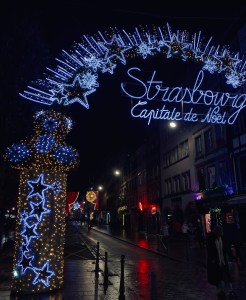
The Alsace region is renowned for its storybook towns and festive atmosphere. Simply walking through these towns is a delight, with their gingerbread-like architecture and festive decorations. Almost every village in the area transforms into a Christmas wonderland, making it an excellent choice if you want to explore multiple fairytale markets in close proximity.
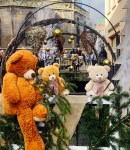
Strasbourg: Known as the “Capital of Christmas,” Strasbourg is a top destination for its expansive market filled with artisanal products and delicious regional foods like tarte flambée and bredele cookies.
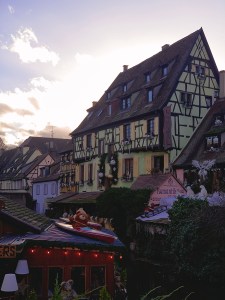
Colmar: Smaller and more intimate, Colmar’s markets feel like stepping into a Christmas card. The illuminated canals and timber-framed houses add to the magic.
Nearby Villages: Eguisheim, Riquewihr, Mulhouse and Kaysersberg are just a short drive or train ride away from Strasbourg and Colmar, making it easy to visit multiple markets in a day.
Poland: A Cozy and Affordable Christmas Wonderland
Poland’s Christmas markets are an absolute gem in Eastern Europe, offering affordability alongside beautiful settings and a cosy holiday atmosphere.
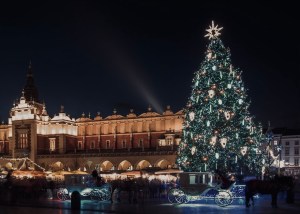
Kraków: The main Christmas market is held in the stunning Rynek Główny (Main Market Square), one of the largest medieval squares in Europe. Wooden stalls sell beautifully handcrafted ornaments, traditional Polish pottery, and delicious pierogi (dumplings).
Wrocław: Known for its fairytale-like Old Town, Wrocław’s Christmas market is one of the most charming in Poland. Spanning the medieval square, the market features a whimsical carousel, an enchanted forest, and plenty of Polish treats.
Gdańsk: Located on the Baltic coast, Gdańsk’s Christmas market combines maritime charm with holiday spirit. You’ll find cozy wooden huts selling amber jewelry, gingerbread, and hearty Polish dishes, with the stunning backdrop of historic architecture.
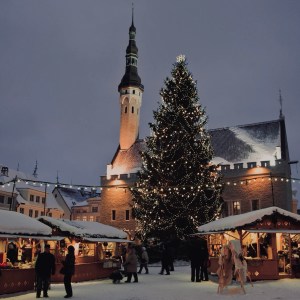
Estonia: A Fairytale Christmas in the Baltics
Estonia might not be the first place that comes to mind for Christmas markets, but it should be. Its medieval charm, snowy winters, and intimate markets make it a magical destination for the holidays.
Tallinn: Set in the city’s medieval Old Town, the markets creates a fairytale-like atmosphere. Here you’ll find stalls selling handcrafted woolen goods, mulled wine, and local delicacies like blood sausage and sauerkraut.
Slovakia: Quaint and Authentic Festivities
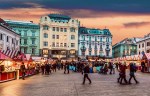
Slovakia’s Christmas markets offer a more low-key, authentic and budget friendly experience compared to some of the larger markets in neighbouring countries.
Bratislava: The Christmas market is centered around the Main Square (Hlavné námestie) and Hviezdoslav Square. It’s smaller and more relaxed, but the food is a major highlight. The market is a great way to soak in local Slovak traditions while avoiding large crowds.
Belgium: Christmas with a Belgian Twist
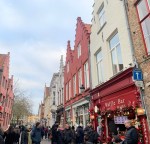
Belgium might be small, but its Christmas markets pack a festive punch with their focus on food, beer, artisanal goods and unique light shows.
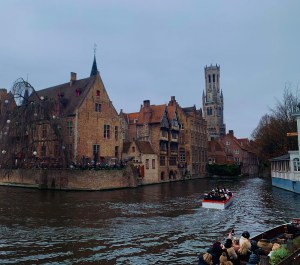
Bruges: Bruges markets are set against a backdrop of medieval architecture and canals, making them one of the most romantic and intimate markets in Europe.
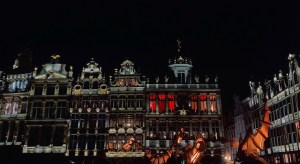
Brussels: Winter Wonders, Brussels’ main Christmas market, is one of the largest in Belgium, with markets scattered across the city. The famous Grand Place is illuminated with a dazzling light and sound show, making it an unforgettable and unique experience.
Scandinavia: Nordic Charm and Hygge
Christmas markets in Scandinavia are all about cozy, Nordic traditions and embracing the concept of hygge (comfort and warmth).
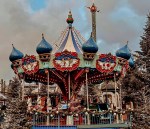
Copenhagen, Denmark: Tivoli Gardens transforms into a Christmas wonderland, complete with festive lights, wooden stalls, and carnival rides. The market offers traditional Danish treats like æbleskiver (pancake balls) and gløgg (mulled wine).
Stockholm, Sweden: The market in Gamla Stan, Stockholm’s Old Town, is one of the oldest in Europe. It’s small but atmospheric, with stalls selling Swedish handicrafts and foods like saffron buns and smoked reindeer meat.
Other Magical Destinations in Europe
Beyond these stunning and more traditional countries, many other countries offer unique Christmas market experiences in beautiful cities and towns:
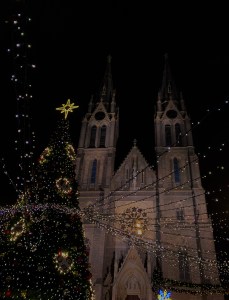
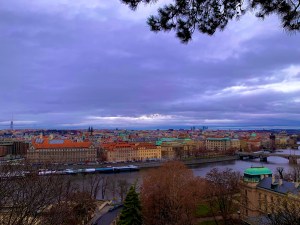
Prague, Czech Republic: The markets in Prague, while mostly highlight food over shopping, easily have the most wholesome atmosphere. The Old Town Square market is unmatched for its stunning Gothic backdrop, towering Christmas tree, and live carol performances. Easily one of our favourite atmospheres!
Switzerland: Markets like Montreux (by Lake Geneva) or Basel (known for its high-quality handmade gifts) provide a cozy, winter wonderland vibe with breathtaking Alpine views.
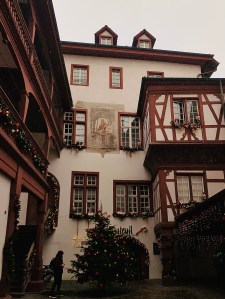
Budapest, Hungary: The main market at Vörösmarty Square features Hungarian handicrafts, traditional chimney cakes (kürtőskalács), and hearty goulash served in bread bowls. Another must-visit is the market at St. Stephen’s Basilica, where you’ll find an ice rink and nightly light shows projected onto the basilica’s façade.
Rovaniemi, Finland: For the ultimate Christmas experience, head to Rovaniemi, the official hometown of Santa Claus. While the Christmas market here is modest, the real draw is the Santa Claus Village, where you can meet Santa, cross the Arctic Circle, and enjoy activities like husky sledding, snowmobiling and reindeer feeding.
Top Tips for Choosing Your Destinations
Sightseeing Beyond the Markets
While Christmas markets are the main event of this trip, don’t forget to factor in time for sightseeing. Don’t only choose locations based on their markets. Also consider choosing destinations that also offer something you’ve always wanted to explore—whether that’s architecture, museums, or charming old towns.
Consider Time and Distance
Europe may seem small compared to other countries, but it is also vast with so much to see. Your available time should greatly influence your itinerary. For example:
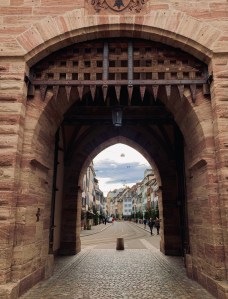
Weekend Trips: Stick to one or two cities or nearby towns with multiple markets to explore. For example, Strasbourg, Vienna or Prague alone can easily fill a weekend with their amount of markets and sightseeing opportunities.
One Week: Focus on a specific region. For instance, spend your week in the Alsace region or Bavaria Germany, where the towns are close together and day trips are more accessible, minimizing travel time.
Two-Four Weeks or More: With more time, you can branch out to multiple regions or even countries. However, keep in mind that travel times can eat into your day so you will want to plan your route and day trips wisely.
Crowds and Unique Experiences
While popular traditional markets in Austria and Germany are stunning and a unique experience in themselves, they do get very crowded (especially on weekends), which may spoil someone’s experience. They also offer similar food and handmade goods which to some (not us), can get old quite fast. If this sounds like you, you might want to consider choosing destinations like Poland, Estonia, or Slovakia which offer an opportunity to experience Christmas traditions that are less commercialized and more deeply rooted in local culture. These markets are often less crowded, more affordable, and set in breathtaking locations that feel like hidden treasures.
Hidden Gems and Unique Events to Add to Your Trip

Europe’s Christmas markets are magical in themselves, but for those looking to elevate their trip, there’s a world of hidden gems and unique events that go beyond the markets that may influence which destinations you may choose.
From traditional festivals and medieval markets to enchanting light shows and Santa’s official village, these experiences will make your holiday adventure even more memorable. Let’s dive into what you can add to your itinerary, where to find these events, and how to make the most of them.
Krampus Runs: A Mischievous Christmas Tradition
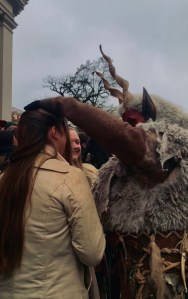
If you’re traveling to Austria, Germany, or parts of the Alpine region, you might stumble upon a Krampuslauf (Krampus Run)—a unique and slightly freaky Christmas tradition. Krampus, the horned figure from Alpine folklore, is said to punish naughty children while St. Nicholas rewards the good ones. During a Krampus Run, performers dressed as Krampus, parade through the streets, often chasing spectators, growling, rattling chains, and even playfully “attacking” the crowd.
What to Expect:
Playful chaos: Expect a lot of noise, energy, and a bit of mock violence—some Krampuses may try to “grab” or “smack” spectators or pull them into the action. It’s all in good fun, but it can be intense for some. Make sure to look in to the specific cities event as some can be more intense or tame than others.
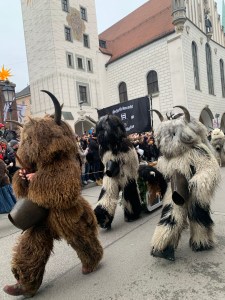
For adults and older children: Due to the frightening costumes and rowdy nature, it might not be suitable for young children. We definitely saw our fair share of crying children during the event in Munich.
Where and when: Krampus Runs typically take place in early December (often around St. Nicholas Day, December 5-8)in cities like Salzburg, Graz, or Innsbruck in Austria, and in parts of Bavaria, Germany. Be sure to check specific dates as they are not all the same in each city.
Tips for Attending:
• Arrive early to secure a good viewing spot.
• Wear warm clothing, as these events are held outdoors in the chilly Alpine winter.
• Respect the performers—while playful, they are dedicated to their craft, and their costumes can take hours to create.
Medieval Markets: A Step Back in Time
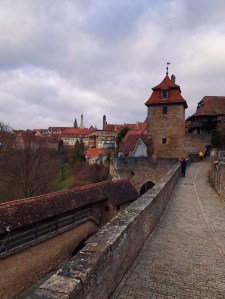
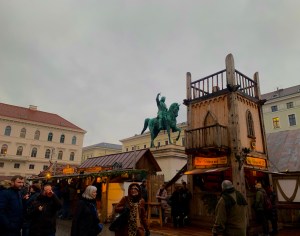
For a truly unique experience, visit a medieval Christmas market, where the festive spirit meets history. These markets recreate a historic atmosphere with costumed vendors, traditional crafts and foods, and old-fashioned entertainment like fire dancers and lute players.
Notable Medieval Markets:
Dürnstein Medieval Christmas Market (Austria): A ticketed event where you’ll step into the Middle Ages amidst a magical riverside setting along the Danube.
Rothenburg ob der Tauber (Germany): While not entirely a medieval market, this town’s Christmas market feels like stepping back in time thanks to its preserved medieval architecture.
Medieval Market Munich (Germany): With roots back to the 14th century, it is considered as Munichs original Christmas market or at least a replication of it. Dozens of beautiful wooden huts and costumed vendors bring the Middle Ages back to life.
Hameau Duboeuf Medieval Market (France): Set in the wine-growing region of Beaujolais, this market includes knights, jousts, and a festive medieval charm.
Tips for Visiting:
• Check if tickets are required and book early, as these events can sell out quickly.
• Look for workshops to make your own historic-inspired crafts or sample unique medieval food like spiced wine and hearty stews.
• For all the mug collectors, these markets will be where you may find some traditional clay mugs or goblets.
Ravennaschlucht Christmas Market: A Magical Forest Setting
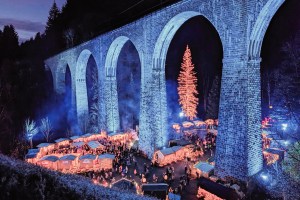
Hidden under the dramatic Ravenna Gorge viaduct in Germany’s Black Forest, this ticketed market is one of the most enchanting in Europe. Illuminated by fairy lights and nestled in a picturesque forest, the Ravennaschlucht Christmas Market offers a blend of traditional market stalls and breathtaking scenery.
What to Expect:
• A ticketed experience to limit crowds and preserve the magical atmosphere.
• Local Black Forest specialties, handcrafted gifts, and cozy mulled wine.
• Shuttle buses that transport visitors to the market from the nearby train station due to its remote location. There is also a car park available to those driving.
When and How to Visit:
• Runs every weekend in Advent from late November through to the weekend before Christmas.
• Tickets often sell out quickly, so plan well in advance.
• Consider pairing it with a stay in Freiburg or nearby towns in the Black Forest.
Santa Claus Village, Finland: Meet Santa
If you’re heading to Finland, don’t miss a visit to Santa Claus Village in Rovaniemi, located in the Arctic Circle. This magical destination is perfect for families or anyone who wants to immerse themselves in the true spirit of Christmas. Although the market there itself is not much, there is still a lot to see and do in the area.
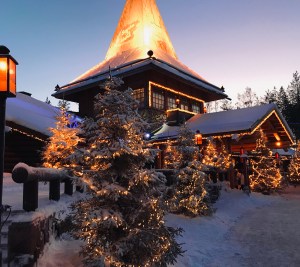
What to Do:
• Meet Santa Claus himself in his official office.
• Cross the Arctic Circle and receive a certificate to commemorate the experience.
• Enjoy activities like husky sledding, reindeer feeding, and snowmobile safaris.
• Visit the Santa Claus Post Office to send postcards with an Arctic Circle postmark.
• Explore through snowy forest walks and fairylight lit pathways.
• If travelling by train from Helsinki, take a ride on the Santa Claus Express.
When to Go:
The village is open year-round, but visiting during the Christmas season (late November to early January) is especially magical with snow-covered landscapes and festive lights.
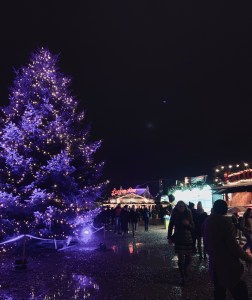
Tollwood Winter Festival, Munich
Held on the Theresienwies (the same grounds as Oktoberfest), Tollwood is a vibrant celebration of culture, art, and sustainability that runs from late November until New Year’s Eve. Unlike typical markets, Tollwood features an eclectic mix of international cuisine, organic and fair-trade products, live music performances, art installations, and circus acts. It’s a melting pot of cultures and creativity, offering something beyond the usual festive flare.
What to Expect?
• Artisan stalls selling handmade and upcycled, organic goods.
• A range of fun-filled circus tents with something unique hidden within, whether that be an interesting blend of cuisines, stunning bazaars or live performances and acts.
•Tollwood leans into an alternative and eco-friendly vibe, making it perfect for those seeking a different kind of holiday magic.
Light Shows and Illuminations
Europe’s Christmas markets often coincide with stunning light shows that bring the festive season to life. These events are perfect for evenings when the markets are quieter or when you want to take a break from shopping and experience something else.
Notable Light Shows:
Lumières de Noël (France): In towns like Colmar, the Christmas light displays transform the medieval streets into a glittering wonderland.
Winter Wonders (Brussels, Belgium): Includes a sound and light show projected onto the Grand Place’s historic buildings.
Winter Glow (Bruges, Belgium): Bringing sparkle to the town in an awe-inspiring trail of lights three kilometres long. The route takes you past unique light installations in unexpected and surprising places.
Amsterdam Light Festival (Netherlands): While not a traditional Christmas market, this festival features incredible light installations along the canals, viewable by boat or on foot.
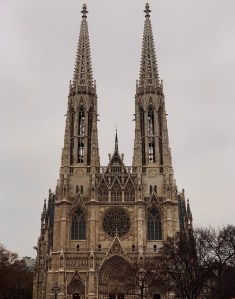
Light of Creation (Vienna, Austria): An immersive light show projected in the historic Votive Church. The light show combines innovative lighting effects with specially composed music to create a unique atmosphere.
Tips for Enjoying Light Shows:
• Check schedules and plan your evening to ensure you catch the shows.
• Ensure to check if there are ticketed events and book early if they are.
• Bundle up, as these are usually outdoor events with some exceptions.
• Arrive early to secure a good spot if seating or standing areas are limited.
Christmas Concerts
Many cities host special holiday concerts, such as choir performances in historic churches or classical music events in grand halls. These concerts offer a peaceful and heartwarming break from the market crowds and are a good option for a change of pace on a busy weekend.
Where to Look:
Vienna, Austria: Famous for its classical music, Vienna hosts stunning Christmas concerts and ballets at venues like the Hofburg Palace or St. Stephen’s Cathedral.
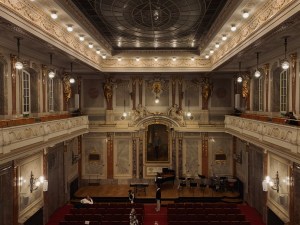
Prague, Czech Republic: Churches like St. Nicholas Church or Prague Castle often feature festive choir or orchestral performances.
Leipzig, Germany: Known for its strong musical heritage, Leipzig offers many holiday concerts, including performances of Bach’s works.
Tips for Booking:
• Research events early, as popular concerts can sell out.
• Look for free or donation-based performances at smaller venues if you’re traveling on a budget.
• Don’t be too sceptical of costumed people selling tickets outside of cathedrals or other tourist attractions. Most of the time this is a legitimate job for them and they may even offer discounted tickets. Make sure to notice their badge or something official to be sure they are legitimate.
How to Incorporate Events into Your Trip
Research dates and locations: Many of these events are seasonal or specific to certain weekends, so plan your itinerary around their availability.
Prioritize: Just as with markets, you can’t see everything. Choose events that align with your interests, whether that’s history, folklore, or festive activities for kids.
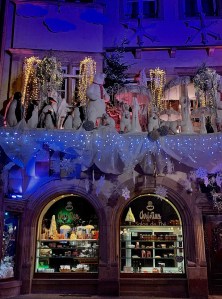
Add buffer days: If an event requires a day trip or evening excursion, leave room in your schedule for travel time.
Pre-book tickets: Popular events like Ravennaschlucht or concerts often sell out, so secure your spot as early as possible.
Adding unique events like these can turn your Christmas market trip into a one-of-a-kind holiday experience. These hidden gems offer a chance to explore the rich traditions, history, and magic that make Europe so special during the festive season. With a bit of planning, you’ll create memories that last a lifetime.
Planning Your Route
Now that you’ve narrowed down the locations you want to visit, it’s time to create a travel route that ensures you maximize your time while minimizing stress. This step is crucial for a smooth and enjoyable trip, as Europe’s Christmas market hotspots are often spread far and wide. Whether you’re focusing on a single region or hopping between countries, planning your route thoughtfully will help you make the most of your holiday getaway. This relates back to the “Consider Time and Distance” section of our ‘Top Tips for Choosing Your Destinations’.
Step 1: Categorise Your Destinations
If you’re anything like me, you’ve got a big list of locations now and they aren’t all exactly close together. Though not the end of the world if you don’t mind flying between places, but if you want to maximise your time and keep travel to a minimum, you’re going to want to shorten that list. Start by grouping your chosen destinations into three categories:
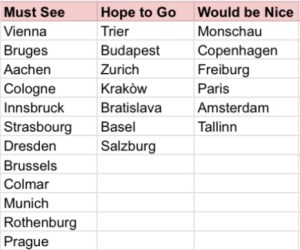
1. Must-See Locations: The places you absolutely don’t want to miss.
2. Would Really Hope to Go to Locations: Secondary priorities that would make the trip even better if time allows.
3. Would Be Nice to Go Locations: Bonus stops that you’ll visit if everything aligns perfectly, but won’t be too sad if you had to skip.
This helps you focus on what’s truly important to you and prevents you from overloading your itinerary. For our trip, our must-see list included Strasbourg, Dresden, Innsbruck, Cologne, Prague, and Vienna, while secondary choices like Nuremberg, Munich, Rothenburg ob der Tauber, Aachen and Bruges were added if time allowed.
Step 2: Visualize Your Route
Pin all locations on a mapping tool to see how your destinations connect geographically. We recommend Wanderlog, a helpful travel planning app that allows you to include everything from locations, flights and transport schedules to accomodation and even a budget tracker. You can also pin the locations on Apple or Google maps. Whatever works for you best.
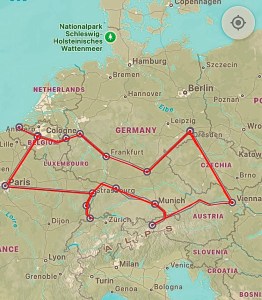
Don’t forget to also pin your start and end point (e.g., your arrival and departure airport) and work towards creating a loop or a logical route including day trips, that minimizes backtracking. For this specific trip, starting and ending in Frankfurt made the most sense as it’s a central hub with plenty of direct flights. From there we did a loop making our way out to Paris, down to Innsbruck, over to Prague and back again to Frankfurt, of course with stops in cities and towns in between.
Step 3: Research Transport Options
Once your route is mapped, explore transport options to connect the dots. In Europe, trains are the most efficient and scenic way to travel between cities, especially during winter when roads can be unpredictable. This can be done with either a Eurail pass or purchasing individual train tickets (more on that in step 4). Other options may include busses, car hire or flying (not recommended).
Best Tools for Train Travel:
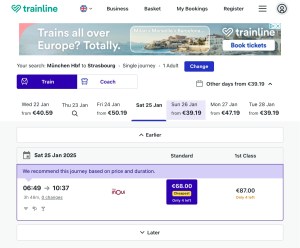
Trainline: Covers train routes across multiple European countries, showing schedules, ticket prices (with or without a Eurail pass), and seat availability.
Deutsche Bahn (Germany), ÖBB (Austria)or similar: Country-specific websites like these often provide detailed and updated schedules and deals for their regions.
Rail Planner App: Perfect for Eurail pass holders to check train schedules offline.
Step 4: Eurail, Train, Bus or Car
When planning your Christmas market trip, choosing the right mode of transportation can make all the difference. Each option—Eurail Pass, individual train tickets, buses, or car hire—has its pros and cons, and the best choice depends on your itinerary, budget, and travel style.
How to Decide If a Eurail Pass Is Right for You:
If your route involves multiple countries or frequent long distance train travel, a Eurail Pass may actually be worth it compared to individual ticket prices. The pass provides flexible travel days, works across most European rail networks and has extra discounts on things like accommodation, luggage storage and some attractions. Here’s a step-by-step to see if a pass is worth it for you:
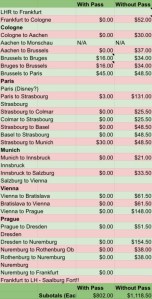
1. Use Trainline or national train websites to calculate costs for individual tickets. Keep in mind that accurate ticket prices may not be displayed until at least 3 months in advance.
2. Consider individual country rail passes on both the Eurail website and the countries national rail website (e.g. Germany only rail pass).
3. Consider travelling by bus. Bus tickets tend to be a lot cheaper than train prices which can be a good option if you’re on a tight budget. However, the tend to be considerable slower than trains, making them ideal for overnight travel or shorter distances.
4. Create a list to compare these costs with the price of a Eurail Pass (don’t forget about possible seat reservation fees).
How to Decide if a Car Is Right for You:
A car may be best suited if you are exploring smaller towns, rural areas, or harder-to-reach markets off the main train and bus routes. While a car does offer flexibility and freedom, especially in areas with limited public transport, you do need to consider challenges involved:
• Extra Costs: Alongside the rental fee, you will need to factor in fuel, possible tolls and parking costs. You will also need to consider extra insurance cost whether that’s added by the rental company or to your travel insurance.
• Parking Challenges: Many European cities and towns, especially historic ones, have limited parking availability. This could mean that finding accommodations with parking may be difficult to find or incur an extra fee. The markets themselves are often in pedestrian zones, meaning parking nearby can be tricky and may again incur a fee.
• City Restrictions: Some cities, like Strasbourg or Munich, have low-emission zones, meaning you may need to purchase a special sticker in order to drive into the city centre. Some vehicles may have even more restrictions than others.
• Winter Driving: Snowy or icy roads in December can be hazardous, particularly in alpine regions or rural areas. You’ll also need to ensure your rental car is equipped with winter tires or chains in case of unexpected snowfall, which may incur more fees.
Which Option is Best for You?
If you’re focused on efficiency and ease, trains are likely your best bet, especially with the comfort and scenic views they provide. A Eurail Pass offers flexibility for complex itineraries, while individual tickets can save money on shorter routes. For travelers seeking the lowest costs, buses are an excellent alternative. If you’re venturing off the beaten path, a car does provide freedom but comes with added expenses and considerations.
For our recent trip, the Eurail Pass was the best choice for us—it saved us money, forced us to have time to relax and provided the freedom to adjust our plans on the go.
Step 5: Keep Travel Times Manageable
As I’m sure you already know, daylight hours in winter can be short. This is why aiming for travel times under 3 hours between destinations is best to maximise your sightseeing time. Train journeys of 1-2 hours are ideal, as they allow for downtime without cutting into your day as much. While not a dealbreaker, if you encounter a longer journey (over 4 hours), you may want to consider:
Adjusting Your Route: Consider breaking up a long journey by adding a stopover at a midpoint destination or rearranging your itinerary to visit a closer town on your list before tackling the longer trip.
Overnight Trains or Buses: These save you daylight hours for exploring and double as accommodation, cutting costs.
Flying: For destinations farther apart, budget airlines like Ryanair or EasyJet can be cost-effective. Just be mindful of luggage restrictions and travel time to and from the airport.
Extra Tips for Planning Your Route
• Expect Possible Delays: Allow extra time and flexibility in case of delays due to snow, ice or other weather that may cause delays, changes or cancellations .
• Budget for Extra Transport: In order to get around bigger cities, you may need to consider a metro pass, bus tickets or taxi’s.
• Check Accommodation Locations: Try to stay near train stations or city centers to reduce transit time and extra transport costs.
• Layer Your Stops: Remember to consider a base location and take day trips from there. You may also want to consider day trips in between travel days (e.g. Strasbourg-Munich with a few hours stop over in Stuttgart).
• Pre-Book Tickets for Peak Season: Christmas is a busy time, so book popular train routes and necessary seat reservations as early as possible (usually at least 3 months in advance).
Planning your route for a European Christmas Market adventure may seem daunting, but with the right tools and strategy, it becomes part of the fun. Remember to prioritise your must-sees, keep travel times manageable, and embrace the downtime of travel days as part of the experience.
Booking Accommodation for Your Christmas Market Trip
Now that you’ve finalized your locations and mapped out your route, it’s time to book your accommodations. This step can be quite overwhelming when travelling somewhere you’ve never been before. You might have many questions circling your head regarding location or price. Well rest assured, we’ve put together our best tips on how to find the perfect accommodation for all budgets.
Book Early for the Best Deals
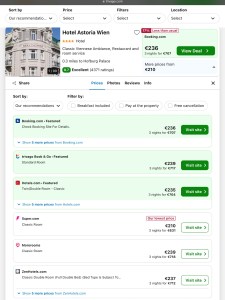
As is with any trip that you take, the sooner you book, the better the options and prices. As the Christmas season approaches, demand skyrockets, and prices follow. Start your search as soon as your itinerary is sorted to have more options to secure the most convenient and budget-friendly accommodations.
Use platforms like Trivago to compare prices across multiple booking sites in one go. Don’t forget to check the hotel’s official website—some properties may offer exclusive discounts or perks like free breakfast for direct bookings.
Choosing the Right Location
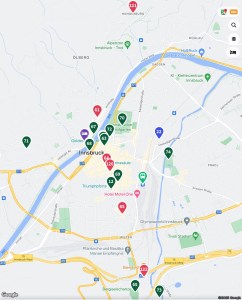
To maximize your time and experience, look for accommodations near the Christmas markets you plan to visit, major landmarks or activities on your itinerary and public transport hubs if you’re staying just outside the city. The easiest way to do this is:
1. Pin your Christmas market locations, sightseeing spots, and other points of interest on the map you’ve marked your destinations on (I again recommend using Wanderlog for this).
2. After this you can identify areas where most of your activities are concentrated. Staying within walking distance of these areas will save you time, walking distance and minimise any extra transport costs.
For places where central locations may be out of budget or already booked out, ensure your accommodation is close to a metro, tram, or bus station. European public transport systems are quite reliable and frequent, making it easy to get around even if you’re not staying in the heart of the city. This can sometimes be preferable if you like to stay somewhere a bit quieter or even unique.
Consider a Base for Day Trips
As we’ve mentioned a few times already, If your chosen destinations are close together (under an hour), staying in one place and making day trips can be a great way to simplify your travel plans.
Having a ‘base’ will provide you with the advantages of reducing the hassle of packing and unpacking and checking in and out of different accommodations. It also allows you to fully immerse yourself in one city while still exploring others. This can be great if you’re travelling for a shorter time or sticking to a particular region.
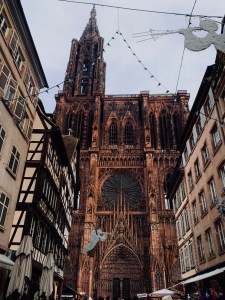
When deciding on which location to make as a base, you may want to consider the city or town with the most markets or attractions, while still having plenty of charm that would be hard to see in just a day trip. You will also want somewhere that’s quite central with good transport options to minimise travel times to ensure you get the most out of your day trips.
Example Base: Strasbourg is a fantastic base for visiting nearby Alsace towns like Colmar, Riquewihr, and Eguisheim. You can even travel further for the day with a trip to Basel, Freiburg, or Stuttgart.
How to Save Money with Accommodation
Accomodation is easily one of the most expensive parts of a trip, but there are ways to stretch your budget or save money in other areas to make up for it without sacrificing comfort. This all depends on your personal travel style and preferences, but these are our best tips that work for us.
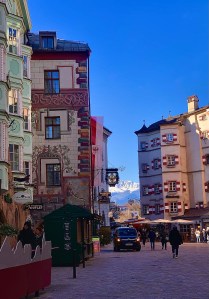
Compare Prices: Different websites often offer the exact same hotel and room type for different prices. Use a comparison website like Trivago to help find the best price!
Hostels with Private Rooms: Hostels aren’t just for young backpackers! Many offer private rooms at a fraction of the cost of hotels. Plus, hostels often provide communal kitchens or free breakfasts, helping you save on meals. The catch however, may be that you share a bathroom or in some cases, have noisy neighbours.
Kitchen or Kitchenette: Look for accommodations with cooking facilities to prepare your own meals or snacks. Even just having a fridge and microwave can help reduce food expenses.
Breakfast Included: Opt for properties offering a hearty breakfast—this can save you money and time in the mornings. If there is an option to add breakfast, do take into account how much it costs extra compared to what they offer. Sometimes it’s 10€ for toast and fruit, which is not really worth it in our opinion.
Eurail Discounts: If you’re traveling with a Eurail Pass, check for discounted rates at participating hostels. Many of these are high-quality and well-reviewed properties, especially in Germany.
Consider an Airbnb: Often Airbnb or similar styles accommodations can be more affordable and convenient compared to hotels especially for larger groups or families. In saying that, do read any fine print in case of hidden fees or abnormalities.
Extra Tips for Booking Accommodation
• Check cancellation policies—plans can change, and flexible bookings or free cancellation will give you peace of mind (note that you may pay extra at the time of booking to have free cancellation).
• Use credit card rewards or points if available for extra savings. You can read more on this here.
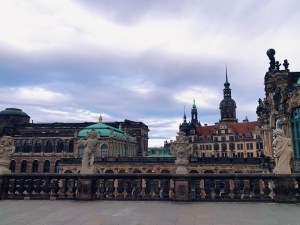
• If traveling by car, ensure your accommodation offers parking options—this can save you from paying hefty parking fees elsewhere.
• For longer stays in one location, look for discounted weekly or extended bookings.
• Always check Google reviews. This is especially important for Airbnb-style accommodations. Look out for recurring complaints about safety, cleanliness, or poor management.
By following these guidelines, you’ll not only secure the best accommodations for your trip but also save money and ensure a more enjoyable experience. The accommodation you choose will probably not make or break your trip, but it can definitely make a difference.
Should You Consider a Christmas Market Cruise or Tour?
Planning a Christmas market trip can feel overwhelming, especially if you’re sorting through multiple destinations, transportation, and accommodations. If you’ve made it this far in the guide and that’s exactly how you’re felling, maybe you want to consider something a little simpler.
If you want to save time and reduce the stress of planning, try opting for a Christmas market cruise or joining a tour group. Having someone else take charge or have your trip simplified and planned out for you may definitely feel more relaxed to start with, but are these options actually the right fit for you? We’ve done the work for you and broken down the pros and cons of each, along with insights to help you decide if they align with your travel style and priorities.
Christmas Market Cruises
Christmas market river cruises typically navigate through the Rhine, Danube, or Main rivers, stopping at iconic market destinations in Germany, Austria, France, Switzerland, or the Netherlands. These cruises are especially popular with couples and small groups looking for a stress-free, scenic holiday experience without too many bells and whistles. Different cruise lines will offer something that may seem extraordinary to one traveler but mean nothing to another. It is important to know your priorities when deciding on a cruise line. But let’s not get too hasty and check out the Pros and Cons.
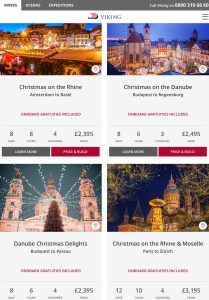
Pros of Christmas Market Cruises
Convenience: You only have to unpack once. Your cabin serves as your home base, eliminating the hassle of frequent check-ins and check-outs and unpacking and re-packing. This will minimise the possibility of losing purchases or leaving things behind.
Scenic Travel: Enjoy beautiful winter landscapes along Europe’s rivers as you travel between destinations, adding an extra hint of relaxation.
Stress-Free Planning: Cruise itineraries are pre-arranged, covering your accommodation, meals, and transportation. The only things you need to think about are shore excursions and what to do with your time ashore.
Amenities: Onboard amenities, such as gourmet dining, entertainment, and festive activities, add to the holiday spirit. Different cruise line’s offer different amenities, so it is important to choose a ship that aligns with your priorities.
Inclusive Meals: Almost all cruises include meals, often replicating cuisine available at the upcoming or past destination, which can save you from hunting down restaurants during busy market days.
Great for Couples: Cruises often have a romantic, relaxed vibe perfect for couples looking for a dreamy and intimate holiday experience.
Cons of Christmas Market Cruises
Limited Time at Markets: Cruises often only allow a few hours at each destination, which can often feel rushed, especially at larger markets. If you’re someone that likes to take their time, this may be a dealbreaker.
Cost: Cruises are generally more expensive upfront than DIY travel. While they include many perks, you may not get the same level of customisation or personalisation as planning your trip independently.
Less Flexibility: Cruise schedules are fixed, so you can’t linger longer at a favorite market or skip a destination you’re less interested in. You may even have to compromise on sightseeing a destination for exploring a market instead.
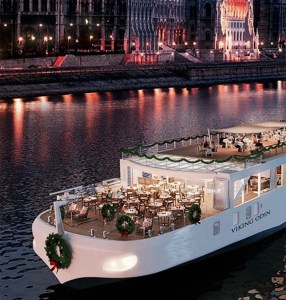
Seasonal Crowds: When you are staying in the location, you have a choice of what time of day you attend a market. Whereas cruises tend to arrive at markets during peak hours. This might mean you’ll encounter larger crowds.
Limited to Rivers: You won’t be able to visit towns or cities that aren’t near a major waterway, such as Rothenburg ob der Tauber or Prague. This can be a bit of a let down if you were wanting to explore smaller towns or had a specific in mind.
Christmas Market Tours
Joining a guided tour is another hassle-free way to experience the magic of Europe’s Christmas markets. Tour companies offer a range of packages, from city-based itineraries to multi-country journeys and sometimes even self-guided tours. We recommend going through companies like TourRadar that provide a wide variety of Christmas Market tours with frequent sales. Though before you dive into those, let’s discuss some Pros and Cons.
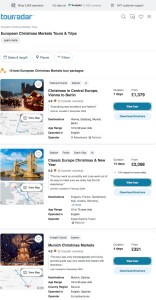
Pros of Christmas Market Tours
Expert Guides: Local guides often provide fascinating insights into the markets’ history, traditions, and unique offerings. You may even get to find some hidden gems that even annual market goers may not know about.
Stress-Free Logistics: Tour groups arrange transportation, accommodation, and sometimes meals and activities, taking the guesswork out of planning. They’ll typically have options to personalise and upgrade your tours for better accomodation or extra experiences.
Cultural Immersion: Some tours include special experiences like cooking classes, craft workshops, or guided city tours, allowing a unique immersion that you may not consider on your own.
Great for Solo Travelers: Tour groups provide quite a social environment, making them ideal for solo travelers looking to meet like-minded people and make life-long friends.
Customisable Packages: Many companies offer tailored tours that match your interests, such as foodie tours, history-focused tours, or family-friendly itineraries.
Varied Destinations: Unlike cruises, tours can include locations far from rivers, giving you access to places like Rothenburg, Salzburg, and Hallstatt. They also offer ‘free’ days or ‘free’ time to explore places at your own pace, making it the best of both worlds.
Cons of Christmas Market Tours
Cost: Similar to cruises, guided tours can be pricey due to the inclusion of guides, transport, and accommodations. Unlike cruises however, the cost can sometimes even out compared to if you planned the trip on your own. Sometimes, tours can even work out to be cheaper than DIY planning.
Fixed Itineraries: Like cruises, tours follow set schedules, so you may feel rushed or miss out on markets and sights you wanted to explore further. Tours often allow for free time, but this may be limited or restricted.
Group Dynamics: Traveling with a group means you’ll need to adapt to others’ preferences and schedules, which might not always align with your own.
Accommodation Choices: Hotels are pre-selected and may not match your personal preferences or budget. There are often options to upgrade accomodations, however, these too are usually pre-selected.
Less Personalisation: While tours are convenient, they don’t offer the same level of freedom as a DIY trip. While some do offer customisation to an extent, it still may not align with your personal preferences.
A Simple Comparison
If you’re still, understandably, feeling, a bit overwhelmed, we’ve created a simplified comparison between the three options, Christmas Cruise, Christmas Tour and DIY Trip. We have also rated each section as either low, limited, minimal, moderate, high or unlimited.
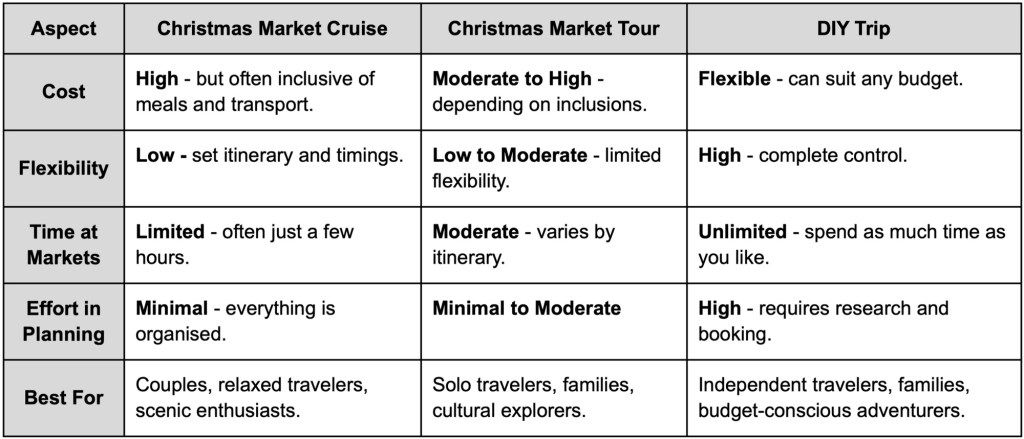
Choosing between a cruise, tour, or DIY trip depends on your travel style, budget, and priorities. If you value convenience, a cruise or guided tour is a great choice. However, if you want complete control over your itinerary and more time at each destination, planning your own trip will be more fulfilling.
What to Pack for a Christmas Markets Trip
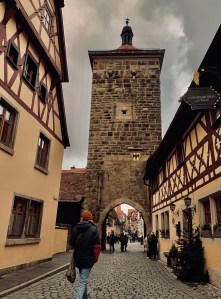
Packing for any type of travel can feel stressful. Now add packing for winter weather, crowded markets, and multiple destinations. This can slowly feel overwhelming, especially if visiting from a warmer climate. But fear not—with the right packing strategy, you’ll stay comfortable, save space, and avoid unnecessary hassle. Whether you’re traveling by train, cruise, or car, we’re her to help you pack smart for your festive journey.
Why Pack Light?
For travellers navigating Europes cobbled streets, crowded markets, and trains, packing light is basically a necessity. Rolling heavy suitcases over uneven streets or struggling to lift them onto train carriages is a recipe for stress. Instead, opt for a carry-on backpack or duffel bag as it’s easier to manoeuvre and ensures you can move quickly between destinations without the extra weight slowing you down. We witnessed the struggle many times along the way and were so thankful that we were able to pack all our stuff into duffle bags and backpacks. If you are unsure on a ‘carry-on backpack’, have a look here, for our top list.
If you’re travelling by cruise or car, you admittedly will have more flexibility with luggage size. That being said, packing light is still recommended; less baggage means less stress and more room for market finds. You do still need to fly home after all.
What to Actually Pack?
To pack light but effectively, stick to the basics and choose versatile items you can re-wear. We have two previous posts on basic packing essentials which help us with packing light. Although some items from these posts are listed below, we recommend you check out Part 1 & Part 2 and consider what you find.
Aside from that, grab your pen and paper and lets write your packing list:
Clothing
Thick wool socks and underwear (1 weeks worth): Wool is essential for warmth, moisture wicking, and resisting odours, making it ideal for repeated use. You want to pack no more than 1 weeks worth or less of these items.
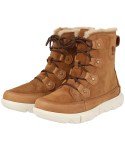
1 pair of comfortable, waterproof shoes: Choose sturdy hiking shoes or boots that can handle comfortably walking 20,000+ steps a day. Waterproofing ensures your feet stay dry in unpredictable winter conditions like rain or snow. Only 1 pair of shoes is necessary.
1 waterproof jacket: Opt for a slightly oversized one to accommodate layers. This can be whatever thickness or lining you prefer, but I’d suggest the lighter the better. Wearing multiple layers can get heavy. Make sure to ‘wear’ this jacket onto the plane to save space unless it’s easily packable.
1 warm fleece, hoodie, or jumper: Lightweight yet warm for layering. If it takes up more room or is heavier than your jacket, I’d suggest wearing this on the plan instead. Bonus if you can wear both on the plane!

1-2 sets of thermals: These lightweight layers will keep you warm without adding bulk. Opt for merino wool in order to get multiple wears out of them before washing. Another good option is the Uniqlo Heatech for especially cold destinations.
3 t-shirts or tops (at least one long-sleeve): Versatile pieces for layering or wearing indoors. Even better if you can comfortably wear at least one of the t-shirts over the long sleeve. Do not stress about how these look as they will mostly be covered by your jacket the entire time.
1 pair of non-skinny pants: Skinny jeans restrict circulation and provide little insulation in cold weather. Choose looser options like straight-leg pants or insulated trousers. This also allows you to wear thermals comfortably underneath without feeling constricted.
1 beanie, 1 scarf or neck warmer and 1 pair of gloves: Essential accessories for staying warm. An alternative to a beanie (or hat) could be warm earmuffs. Ensure you choose gloves that are fleece lined and preferably waterproof with touchscreen compatibility. Some gloves will have a heat rating on their tags so take note of this.
Optional: Pack one “nice” outfit if you plan to attend a fancy dinner or event. However, casual clothes are typically perfectly acceptable for most holiday events.
Toiletries
Of course, stick to travel-sized items to save space. Most hotels will provide shampoo, soap, and body wash, so only bring personal essentials like skincare products or anything you just can’t do without but still try and keep it to a minimal.
Keep in mind that Germany has an excellent selection of travel-sized toiletries consistently available, so you can restock as needed. However, do note, that these stores are generally close on Sundays.
Laundry Solutions
After reading our clothing recommendations, you may be confused how you’re supposed to make it work with that amount of clothing. Well, to keep things to a minimal, for trips longer than a week, plan to wash clothes more frequently instead of overpacking. Options include:
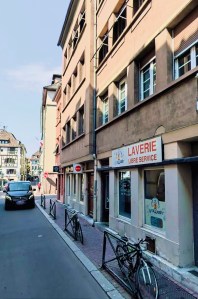
Hotel laundry services: These will usually be easily accessible and for a small fee. However, many places in Europe only offer per-item washing or dry-cleaning services, which can be pricey.
Nearby laundromats: This can be handy when hotel facilities are not available or if they only offer per-item washing that you don’t want to pay for.
Antibacterial fabric spray or vodka: Yes this is a great alternative and I promise it’s not gross. Spritz clothing between washes to freshen up and re-wear. Vodka works well as an alternative due to its antibacterial properties, it evaporates quickly, and leaves no odor.
Extra Packing Recommendations
While these aren’t entirely necessary, to make your trip run even smoother, consider these additional items, some of which you may have already seen mentioned in Part 1 & 2 of our ‘Travel Packing Saviours’ post mentioned earlier:
AirTags or similar trackers: Attach one to your bag and another to yourself or others in your group. This way you’ll be able to find each other in crowded markets.
Travel washing line: Ideal for air-drying wool socks thermals and other items unable to go in the dryer.
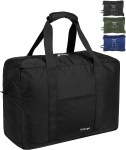
Packable duffel bag: Use this to place your clothes in, including dirty laundry at the end of your trip. Check it on your return flight if needed and have all your market finds and souvenirs safely packed away in your regular bags that you carry on the plane with you.
Foldable shopping bag: A waterproof option is great for market purchases. Market stalls won’t always provide a bag and if they do, they may not be suitable if it rains.
Bubble wrap: Add extra protection to fragile items like ornaments or glassware. This can also help when packing your bag for your return home.t essentials here.
Anti-theft crossbody bag: Pickpockets can be very common throughout Europe, especially in crowded areas. An anti-theft bag of some sort will always come in handy to keep valuables safe. See our complete recommendations list for Anti-Theft essentials here.
Pullover waterproof pants: While not entirely necessary, having a pair of these lightweight pants will be perfect for staying dry in heavy rain or snow.
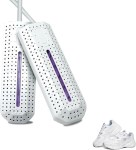
Shoe dryers: Even waterproof shoes can often feel damp after long days. Carrying a pair of these and putting them in your shoes overnight will keep them dry and comfortable all trip long.
What Not to Bring
Avoid overpacking, specifically on clothing, or bringing items that will hinder your experience. Some things that you definitely do not need to bring are:
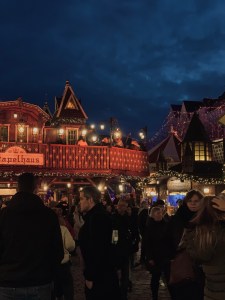
Umbrellas: Crowds and umbrellas don’t mix—opt for a waterproof hood instead. No one wants to be dodging umbrellas while already dodging people.
Backpacks at the markets: Bulky bags can break fragile purchases when in a crowd and make you a target for pickpockets when exploring the markets. A compact crossbody bag or tote is a better choice.
Extra shoes: One good pair of walking shoes is enough unless you have a very lightweight backup option. No one’s looking at your feet anyway.
Packing for Cruises or Car Trips
If you’re traveling by cruise or car, you’ll have more freedom with luggage size and weight, but lighter packing still has its advantages. A smaller suitcase means easier mobility during excursions. Cruise cabins and car space can still be limited. Plus, if you pack light you’ll have more room to bring home souvenirs.
Extra Packing Tips
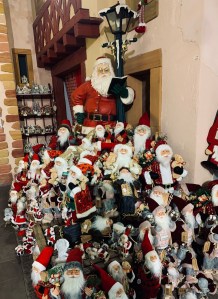
Layer smart: Don’t only pack warm or bulky layers. With smart layering, you can easily adjust to fluctuating temperatures indoors and outdoors. Before you leave, try some test layering to make sure you’re only packing clothing that is comfortable and easy to layer.
Shop locally: Do not stress if you leave something at home—markets often sell warm accessories, and European stores are well-stocked in winter essentials.
Check your return airports security: When packing all your market goodies into your carry on bags, you may not think that anything would be flagged but some European airports have only strict rules when carrying strange shaped objects. Although we never ran into any issues, you don’t want to risk any airport security accidentally damaging anything.
When packing for any kind of trip, always remember the Golden Rule-Less is More. The less you pack, the more freedom you’ll have to explore without worrying about heavy luggage. Plus, traveling light means more space for market treasures to bring home!
What to Expect at European Christmas Markets
Before you head to Europe’s Christmas markets, it’s crucial to set realistic expectations to ensure you fully enjoy the experience. While these markets are undeniably magical, embracing both the good and the not-so-good aspects will help you savour every moment. It’s a shame when people have traveled from all over the world to visit these markets, only to complain or leave early due to unrealistic expectations.
To avoid this happening on your trip, we’ve made a list of a few things you should keep in mind before you go, with tips to make the most of your trip and avoid common frustrations.
Crowds Everywhere
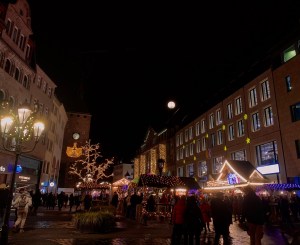
Like almost everywhere during the holidays, Christmas markets can become extremely overcrowded. Being some of the most popular attractions in Europe during the festive season, you may find yourself shoulder-to-shoulder with other visitors at times, especially at the larger, well-known markets or on weekends. Long queues for food, drinks (like Glühwein, the famous mulled wine), or popular stalls are also very common.
Before you get annoyed about the amount of people, remember that you are part of that crowd too. Stay positive and don’t let something like a big crowd ruin your experience. You won’t be able to completely avoid crowds, so you might as well embrace them as part of the experience.
Tips to Beat the Crowds:
Avoid peak times: Weekends, especially Saturday evenings, are the busiest as locals join the tourists at the markets. Plan to visit the big markets on weekdays, or if you can’t avoid the weekends, early mornings or early afternoons will be your friend.
Use evenings strategically: Save evenings for smaller, lesser-known markets or return to the larger ones just to enjoy the lights and atmosphere rather than trying to shop. On most weekdays, you’ll be able to visit the markets any time you like. There will of course, still be crowds but they will be more manageable than weekends.
Start early: Arriving when the markets open gives you a chance to explore without heavy crowds, even on weekends. You may want to plan to do any shopping at the markets at this time and come back later to enjoy the atmosphere or to do some evening activities.
Be patient and flexible: Crowds are part of the experience—embrace them as a sign of the markets’ popularity and holiday cheer. Yes you may have to squeeze through crowds or wait your turn to look at a stall or get food, but if you remain calm and have patience, you may find you can just laugh it off as it becomes a part of your holiday memories.
Spills and Mishaps: It’s All Part of the Fun
With packed stalls and bustling crowds, accidents can happen. Someone might spill their Glühwein or hot chocolate near you, or a jostling crowd might cause you to drop your snack. We experienced this quite a few times but we’re lucky not to have anything actually spill on ourselves. While it’s not guaranteed to happen to you, it’s important that you keep this possibility in mind when you are packing for your trip.
How to Prepare:
Dress smart: Avoid wearing clothing that you’d be devastated to stain, like delicate fabrics or expensive coats. Instead, opt for comfortable, washable attire. If you’re wearing waterproof clothing, you won’t need to worry about this too much.
Carry wipes or a small stain remover: These can be lifesavers if a bad spill does occurs, especially if it’s anything that dries sticky.
Laugh it off: Mishaps are all part of the holiday spirit. No one means to bump into you to cause a spill, so why not just laugh it off and leave with a funny story to tell!
Not Everything is Handmade: And That’s Ok
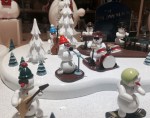
While you’ll certainly find beautiful, handcrafted ornaments and gifts throughout the markets, not everything is always handmade. Many items are mass-produced to cater to the high volume of visitors, which can surprise some travelers who expect a purely artisanal experience. While there can be some markets that will entirely cater to artisanal crafts, there is still beauty in mass-produced stuff. Having said that, if you’re only on the hunt to find purely handmade items, then keep on reading!
How to Spot Handmade Items:
Price: Handcrafted items are often more expensive due to the time and effort involved. Do keep these factors in mind before considering something handmade to be overpriced.
Stall setup: Look for vendors who are actively creating or demonstrating their craft at their stall. This can be an absolute wonder to watch and you may even be lucky enough to bring what you saw home as a treasured souvenirs.
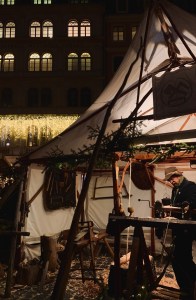
Smaller markets: Many smaller or local markets are more focused on handmade goods compared to the larger, tourist-heavy ones. Most city or town tourism websites will also have a description of each market. Be sure to read these if this is your highest priority.
Check for stickers or signs: Some stalls will advertise that their products are all handmade. Others will be more subtle and often have stickers or some kind of imprint that states they were handmade and sometimes even where they were made.
Ask the vendor: If you have found something you like but you are unsure if it’s handmade or not, don’t be afraid to ask the vendor hemselves. You may even be surprised with a tale of the products history or origin.
Music and Atmosphere: Set Your Own Vibe
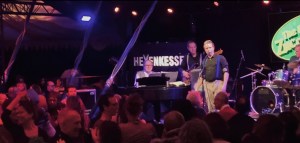
The festive ambiance at the markets is magical, but it might not match the picture-perfect scenes you’ve seen online or what you may be used to in shopping centres at home. Many online videos overlay Christmas carols or orchestral music to enhance the charm, but in reality, the soundscape of a market is a mix of chatter, laughter, and occasional live music—not constant caroling. This can come as quite a shock to some people as videos can create a false expectation.
Now that isn’t to say that there is no music or atmospheric vibes. You can definitely find live, festive music around the cities, markets and sometimes local pubs. However, don’t expect to find the atmosphere or vibe presented in videos. You may actually find that it is you who must create your own atmospheric vibe.
How to Create Your Atmosphere:
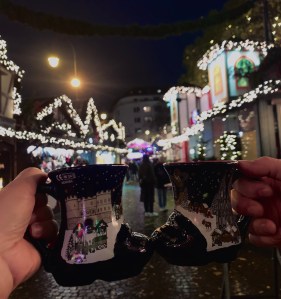
Seek out live music: Many larger markets feature live performances, not just music, especially in the evenings. Check schedules in advance for each market and prepare for the possibility of something unusual.
Bring your own soundtrack: Add to the magic by popping in earbuds with your favorite holiday playlist as you wander through the markets. Though, do of course take these out when interacting with vendors.
Appreciate the unique sounds: Embrace the atmosphere for what it is. From the sizzling of bratwurst to the clinking of mugs and the constant chatter, the natural sounds of the markets are part of their charm.
Other Factors to Expect
Weather Conditions: Markets are outdoors, and winter weather in Europe can be unpredictable. Don’t forget to dress in layers and remember to carry your gloves and a beanie/hat wherever you go.
Budget Wisely: The markets are filled with tempting treats and gifts, so it’s easy to overspend. Set yourself a daily budget to keep your spending in check, avoiding exchanging currencies often.
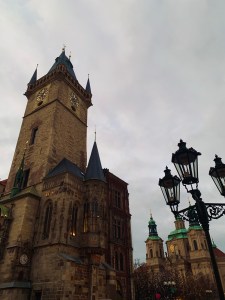
Toilets: In Europe it is common to have to pay a small fee in order to use public toilets. Some will even only be accessible if you’re a customer of their establishment. This is not too big of a deal as the fee is very minimal, but do be prepared with a few coins as they may accept cash only.
Enjoy the Experience: The markets are more than just shopping—they’re about soaking in the festive spirit. Take time to enjoy the lights, food, history and unique community atmosphere.
Plan for Rest: With all the walking and exploring, it’s easy to wear yourself out. Build in breaks to enjoy a hot drink or snack while taking in the festive surroundings. Take advantage of the rest time that you have transiting between locations and don’t be afraid to pop back into your hotel if needed.
It’s important to remember that no experience is perfect, and that’s what makes it unique. Yes, there will be crowds, and yes, you might encounter a spill or a long wait, but these small inconveniences pale in comparison to the joy of wandering through twinkling lights, sampling festive treats, and discovering unique treasures. Remember how lucky you are to even be considering a trip like this.
Set your expectations with the understanding that the magic of the markets lies in their imperfections—the laughter of the crowd, the hum of activity, and the memories you’ll carry with you long after the season ends.
FAQs for Christmas Market Trips
Whether you’re a seasoned traveler or a first-timer, visiting European Christmas markets comes with multiple unique questions and challenges. This FAQ section is designed to hopefully answer all your burning questions. Whether it’s a question on budgeting, figuring out what to pack, or wondering about local customs, this section should help you plan an stress-free and magical trip. If you still have any lingering questions, please don’t hesitate to leave a comment or reach out, and we’ll be happy to help!
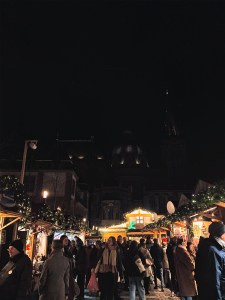
Should I Bring Cash or Card to the Christmas Markets?
The short answer is…both!
Cash: Many vendors at Christmas markets still operate as cash-only, especially smaller stalls selling handmade items or local treats. You’ll also need cash for smaller purchases, and public toilets (often €0.50–€2). Always carry small denominations to make transactions smoother.
Card: Some vendors, especially larger or more modern ones, will accept card payments. When possible, pay by card to save your cash for places that are cash only. Contactless payments are increasingly common, but don’t rely solely on it.
Payment Tips:
• Withdraw cash from a bank ATM rather than a generic one, as these often have lower or zero fees.
• Plan to withdraw cash on weekdays; some ATMs charge higher fees on weekends.
• Always have enough cash for emergencies, especially in smaller towns or markets where card payments are less likely to be accepted.
What Should I Budget for Christmas Markets?
Your budget will depend on your travel style and shopping habits, but a general guideline is to plan for €30–€100 per day per person. We originally set our budget to €100 a day but found we were averaging around €30 a day unless we were making larger purchases or splurging on activities or fancier meals.
Low-budget travellers: €30–€50/day is enough for simpler meals, a few drinks and low cost activities with some left over to still buy souvenirs.
Mid-range travellers: €50–€100/day gives you more flexibility for fancier meals, drinks, activities and larger or higher priced souvenirs.
High-range travellers: €100+/day will be more than enough for all meals, drinks, activities and souvenirs. This would be your budget if you don’t really want to to be thinking about how much you’re spending.
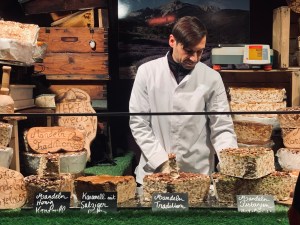
Here’s a breakdown of typical costs to help you budget:
Food: Market staples like bratwurst, roasted chestnuts, or raclette sandwiches range from €3–€12 each.
Drinks: Hot chocolate, beer, or glühwein typically cost €3–€6. This will often be in addition to a deposit for collectible mugs (€3–€6).
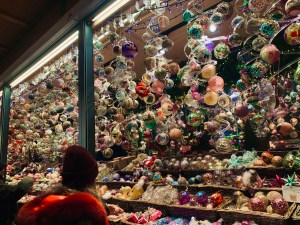
Souvenirs: It is hard to provide a range for this as handmade ornaments, candles, and other unique gifts can vary widely in price, however, you can find some starting around €1.
Budgeting Tips:
• If you’re on a really tight budget, try skipping the market food occasionally and grab snacks or meals from supermarkets. Germany, in particular, has excellent grab-and-go options at reasonable prices.
• If you’re travelling as part of a pair or group, try sharing different foods or drinks. This allows you to try a wider variety of products without food wastage or individually paying full price. You can always buy a second one if you can’t get enough of it.
• Be sure to create your daily budget in euros instead of your home currency. Some currencies can be very weak compared to the euro, so if you were to budget in your home currency, you may find it difficult to spend anything.
• Many German and Austrian supermarkets are closed on Sundays, so be sure to stock up in advance if needed.
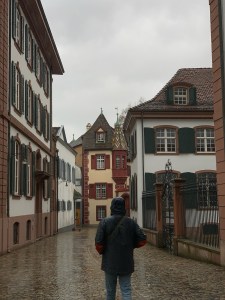
How Cold Does It Get in Europe?
Winter in Europe can be unpredictable, so it’s best to prepare for all conditions. This will also greatly depend on the locations you are visiting. It doesn’t snow everywhere in Europe ,and if it does, some places will often get more snowfall than others.
Typical temperatures: It can range from -5°C to 10°C (23°F to 50°F), depending on your location and the time of the season. Keep an eye on the forecast but be prepared for anything.
Weather: You might encounter sunny skies, drizzling rain, or snow—sometimes all in one trip! Some years there have been unexpected heavy snowfall, while others a simple hoodie is enough to stay warm.
As we’ve mentioned a few times, the key is layering. Follow the packing list we’ve provided and focus on keeping your head, hands, feet, and neck warm. Don’t forget waterproof gear for the likely wet conditions.
What’s the Deal with Christmas Market Mugs?
Collecting Christmas market mugs has become a beloved tradition amongst tourists mostly. We’ve noticed that some travellers occasionally feel pressured to take part in this trend, even when they have no interest in doing so. Please note that mugs are not the only souvenir and you DO NOT need collect them if you don’t want to. In saying that, yes of course market mugs are adorable and it can be exciting to hunt down the cutest or prettiest mugs. By all means go for it, but there are a few things you may want to consider before you do:
How it works: When you order a hot drink like glühwein, you’ll pay a deposit for the mug (typically €3–€6). If you return the mug, you’ll get this deposit back. Alternatively, you may decide to keep the mug and forfeit the deposit.
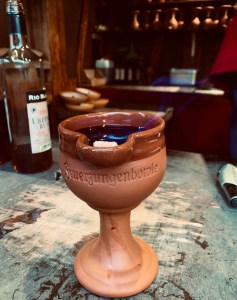
Mug shortages: Many travelers will choose to keep the mugs as a unique souvenir. However, due to this, some markets (especially smaller ones) may face shortages. Please always ask the vendors if it’s okay to keep your mug to avoid these shortages. Some markets will even have specific stalls set up with mugs for sale without the need to purchase a drink.
Messy mugs: If you plan to keep a mug, plan to carry tissues or wipes to clean the mugs from sticky residue before stowing it in your bag. You may also want to carry ziploc bags for extra protection until you are able to properly wash them.
What If I Don’t Speak the Language?
Don’t stress too much over this one. Christmas markets have become very tourist-friendly, and most vendors in major cities speak basic English. However, learning a few key phrases in the local language will be greatly appreciated and may make your experience smoother and more enjoyable.
If you get stuck or find areas where English may be less common, apps like Google Translate can be lifesavers for quick interactions or to read signs or menus.
Basic Phrases to Learn:
•“Do you speak English?” (or your language)
•“Please,” “Thank you,” “Hello,” and “Goodbye.”
•“How much is this?”
• You may also want to learn the basics of ordering food or drink.
Can I Visit the Christmas Markets After Christmas?
While many European Christmas markets close before or on December 24th, some do remain open during the festive period, and a select few extend their festive magic into the New Year and early January. Some markets in Vienna will even transition into New Year’s Markets in celebration of the new year.
Ensure to check the dates of specific markets before finalising your itinerary, as closing times can vary widely. Visiting post-Christmas markets can also be a great way to enjoy the festive season without the intense crowds leading up to Christmas Day. Plus, you might find post-holiday discounts on certain goods!
If you are planning a trip specifically after Christmas, consider destinations like:
Germany: Markets in Berlin, Cologne, and Nuremberg often have extended dates.
Austria: Schönbrunn Palace’s New Year’s Market in Vienna is a highlight.
France: Strasbourg’s “Christkindelsmärik” often runs through December 30th.
Should I Bring a Water Bottle to the Markets?
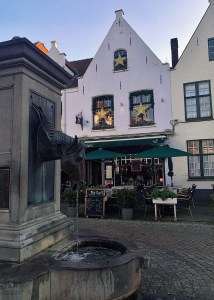
Absolutely! While it may not feel like it, staying hydrated is important, even in winter especially when you’re walking around all day. Carry a small, refillable water bottle around with you and refill it from nearby taps or fountains or by purchasing a recyclable bottle of water from convenience stores and recycling the bottle. Some market vendors maybe even refill your bottle for you at no cost.
Are Christmas Markets Accessible for Those with Limited Mobility?
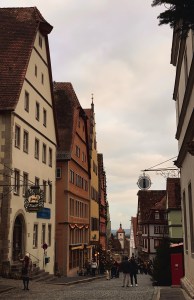
While most markets are accessible, some cobblestone streets and crowds may be tricky to navigate. If you’re traveling with mobility aids, consider visiting markets during quieter times to avoid getting stuck in heavier crowds.
Are Pets Allowed at Christmas Markets?
Policies vary, but most outdoor markets allow pets on leashes. Although markets may allow them, please be mindful of crowds and keep an eye on their behaviour, as the markets may overwhelm pets.
Is There Wi-Fi at the Christmas Markets?
Don’t rely on free Wi-Fi; it’s often unavailable or unreliable. Carry a local SIM card or eSIM for consistent connectivity if you need internet access. If you’re unsure about travel SIMs, have a look out our comparison list here.
Are Christmas Markets Suitable for Children?
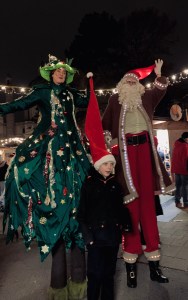
Absolutely! The majority of markets offer family-friendly activities like carousels, light displays and festive workshops (these actually made us jealous that we couldn’t join in). However, keep in mind that evenings can get very crowded, and children may get cold or overwhelmed quickly, so dress them warmly and maybe consider shorter visits.
Europe’s Christmas markets are pure magic with bustling cobblestone streets, twinkling lights, and the comforting aroma of spiced treats. We hope we have not only answered all your questions with this guide, but also eased the stress of planning and sparked excitement for your dream Christmas market adventure.
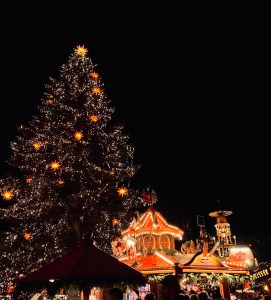
Whether you’re hunting for handmade treasures, sipping Glühwein from collectible mugs, or braving the thrills of a Krampus run, you should now have the tools to plan a seamless, unforgettable trip. Pack light, embrace the festive chaos, and soak up the charm of local traditions. Most importantly, let the markets surprise and delight you along the way.
We hope this guide becomes your go-to resource for planning, and we’d love to hear about your trip! We encourage you to share your experiences and any additional questions or tips in the comments below—your insights might inspire others to take the leap.
Happy travels and Frohe Weihnachten!
 WHERE TO NEXT
Leave a comment